 Big Bull Coin India
Identify the exact BIGB network before choosing a wallet. MetaMask's custom-token feature displays a contract token on a compatible network, whereas a native coin needs valid settings and support for its chain. The public sources reviewed here do not provide enough evidence to publish a verified Bigh Bull mainnet configuration or a current migration procedure. MetaMask token guide · Bigh Bull network description
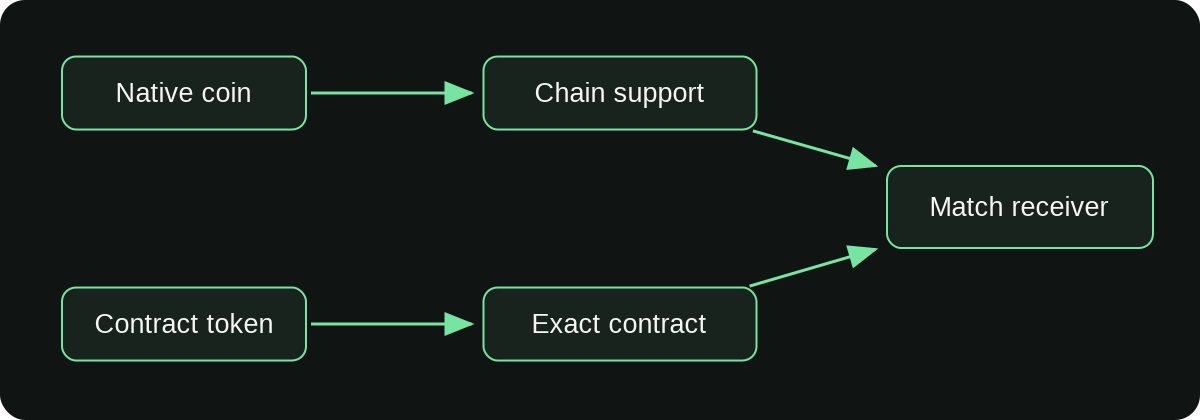
Decide which representation you want to hold
Read the originating wallet or exchange record and identify the network. The historical BitMart profile links a BEP-20 record. Its existence is useful in identifying earlier records, but does not establish that a different BIGB balance can be imported there or that a receiver still supports it. If the balance is on the advertised mainnet, look for current official chain parameters and compatibility with the wallet. An address that looks compatible is not proof of support. BitMart BIGB profile · MetaMask network management
Once a compatible contract-based asset is independently verified, select its network, use the wallet's token import control and match the full contract address to the canonical record. Review the symbol and displayed decimals before accepting the display entry. Importing an address changes how a balance is shown. It does not create coins, authenticate a source, open a market, provide gas, or transfer funds from another chain. If the import prompts you to connect to a separate website, revisit the wallet's official instructions.
Choose hot or cold storage by how keys are used
A hot wallet uses an online environment for signing. Its convenience can help with frequent transfers, but the connected device and any apps you authorise influence risk. Cold storage aims to keep signing authority isolated. A hardware wallet can use a connected interface for network information while restricting signing to the device when designed and used correctly. Verify that it supports the actual network and transaction type. Supporting a common EVM network does not establish support for a named project's native chain.
Custody answers a different question. An exchange can hold the keys while a customer uses a login to request withdrawals. A self-custody balance depends on your signing authority and backup. If you choose to store an asset in self-custody, test how you can recognise the right account and recover with the wallet's official tools. Avoid entering secrets into a support page or backup checker. A documented recovery process and verifiable address are more useful than a wallet brand name alone.
Sending and receiving requires agreement on both ends
- Ask the receiver for the asset and network. Use the receiver's official deposit page or the receiving wallet. A ticker and visually similar address are insufficient.
- Verify fees and the amount to arrive. Check the gas asset, receiver minimum and whether the sending platform deducts fees from the amount entered. Use the actual preview.
- Confirm the address, network and any required fields. Compare the full address and other information. A small test can be useful only after these checks and if the receiver accepts the amount.
- Save the public transaction record. Record the hash, network and time. Track on-chain inclusion and the receiver's eventual credit separately. BIGB transaction checks
Do not send between native and token networks with the expectation that a wallet will convert them automatically. An actual migration or bridge would need authenticated rules and common support across the whole route. If the balance cannot be identified, preserve the original transaction or receipt while seeking clarification. Repeated transfers to test a wrong network can create additional problems.
Troubleshoot a missing balance without exposing your keys
Check the chain and account first. A missing token listing can sometimes be a display issue, but a successful import does not correct a wrong-network transfer. Look up the transaction in the correct explorer when possible. If a provider says the withdrawal was submitted but gives no hash, ask for the status using the official account. If a hash exists and the receiver has not credited it, review the receiving rules and support request. Ask for help with public data and keep the recovery words private. India scam and wallet safety checks
Build a recovery and transfer record before moving funds
Write down the name of the wallet, the exact network and a known receiving address or previous transaction you can later check. Keep this operating note separate from secrets. If your wallet software supports more than one account or address type, record which account is being used and how it is identified. When switching phones or replacing a signing device, read the official recovery instructions for your version. Preserve access to the old device until you can confirm the new setup recognises the intended account, as long as the old device is still trustworthy.
For a proposed transfer, record your planned network on both ends and whether a venue supplies an account-level restriction or a temporary pause. A wallet might be compatible with a network while your intended exchange does not accept that token over it. When the recipient is another person, ask them to verify the current request through a known channel. Be wary of a message that claims the receiving address was changed without confirmation. If a test transfer succeeds, verify the actual credit and the remaining limit rather than assuming it validates every future transaction. Do not use a token logo or colour as the checkpoint.
Frequently asked questions
Will a wallet show both native coins and issued tokens? It can when the network and assets are supported. Confirm how the interface identifies them.
Can I enter the wrong address if a wallet checks its format? Format checks do not prove that an address belongs to the intended account or that the receiver supports the network.
Do I need to buy a hardware wallet to validate a historical receipt? No. A compatible public explorer or official transaction record can assist identification without purchasing hardware.